

The Weeknight Dinner That Changed How I Cook Pasta
There is a specific kind of exhaustion that hits at 5:30 on a Tuesday — the kind where even the idea of boiling a separate pot of water, draining hot pasta over a steamy sink, and then washing a colander feels like an unreasonable ask. I have been there more times than I can count. For years I assumed pasta just required that ritual: two pots, the colander, the whole production. Then I discovered that orzo — that tiny, rice-shaped pasta — plays by completely different rules, and dinner in my house has never been the same.
This One Pot Cheesy Orzo with Asparagus is the recipe I reach for when I need something that feels genuinely satisfying and a little bit special without actually requiring much from me. The orzo cooks entirely in one pot, absorbing a measured amount of broth the same way risotto does, which means there is nothing to drain, no colander to dig out from the back of the cabinet, and no second pot taking up burner space. The starch that would normally disappear down the drain instead stays right in the pot, becoming the creamy, silky base that makes this dish taste far more indulgent than it has any right to be. Add in bright spring asparagus and a generous handful of freshly grated Parmesan, and you have a weeknight dinner that genuinely impresses.
It is also endlessly forgiving, which is exactly what I need on a busy night. You can swap the vegetable, change the cheese, add a protein — it is a framework more than a strict recipe. But this version, with asparagus and a double hit of cheese, has become the one my family requests by name. It is on the table in about 30 minutes, it uses pantry staples I always have on hand, and cleanup is as simple as washing a single pot. On a weeknight, that is nothing short of a miracle.
Why You’ll Love This Recipe
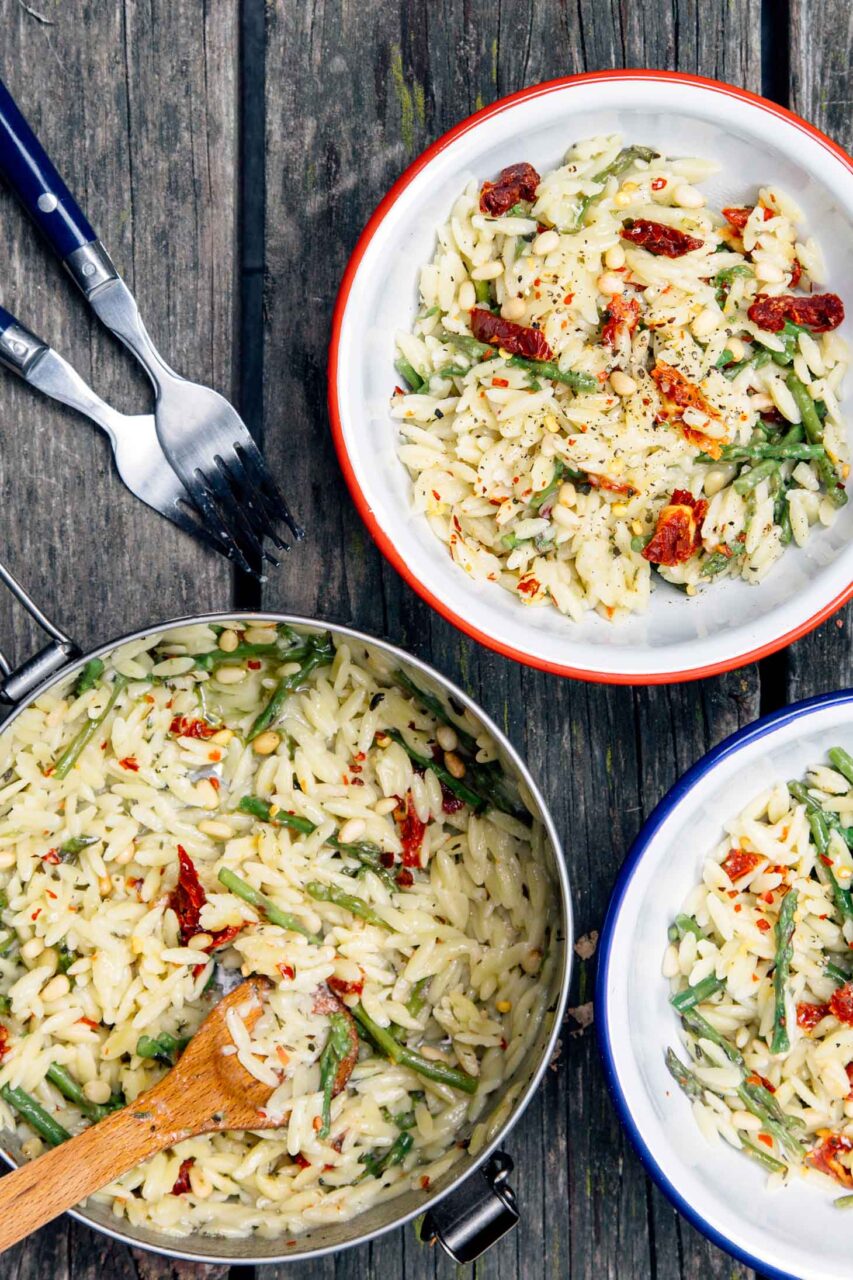
- Truly one pot, no colander: The orzo absorbs all the liquid as it cooks — no draining, no extra dishes, no fuss.
- On the table in 30 minutes: From the first chop of the onion to the moment you sit down, this is a genuine 30-minute dinner.
- Budget-friendly ingredients: Orzo is one of the most affordable pastas at the grocery store, and asparagus is the most expensive item on the list — and even that is reasonable when it is in season.
- Creamy without any cream: The magic here is pasta starch plus good Parmesan — no heavy cream required to achieve that luscious, saucy consistency.
- Easily customizable: This dish is a blank canvas. Add rotisserie chicken, stir in white beans, swap asparagus for peas or zucchini — it works every time.
- Great for meal prep: It reheats beautifully with a splash of broth or water and tastes just as good on day two.
- Family and picky-eater approved: Cheesy pasta is rarely met with complaints, and the asparagus gets tender enough that even skeptics tend to eat it without protest.
Key Ingredients and Why They Matter
The success of this dish starts with orzo pasta, and it is worth taking a moment to appreciate why this specific pasta shape makes the no-colander method possible. Because orzo is small and cooks relatively quickly, you can use a precise ratio of liquid to pasta and trust that it will absorb everything without turning mushy — very similar in spirit to the way serious cooks approach risotto technique. The result is a naturally creamy, starchy base that no other pasta shape quite replicates in this method. Next, low-sodium chicken broth is the liquid that makes it all happen — it replaces plain water and layers in savory depth from the very first minute of cooking, meaning the pasta is seasoned all the way through rather than just on the surface. For the vegetable, fresh asparagus earns its place here not just for flavor but for timing: cut into bite-sized pieces and added partway through cooking, it becomes perfectly tender-crisp without going limp or losing its bright green color. The asparagus brings freshness and a slight earthiness that cuts through the richness of the cheese beautifully. Speaking of cheese, freshly grated Parmesan is non-negotiable — the pre-shredded stuff in a green canister contains anti-caking agents that prevent it from melting smoothly, so take the extra thirty seconds to grate it yourself and you will immediately taste the difference. A shallot and garlic base sautéed in butter at the very start builds the aromatic foundation that makes this dish taste like something you actually cooked rather than just assembled, and a final squeeze of fresh lemon juice right before serving brightens everything up and keeps it from feeling heavy.
Pro Tips & Variations
Pro Tips for Perfect Cheesy Orzo Every Time
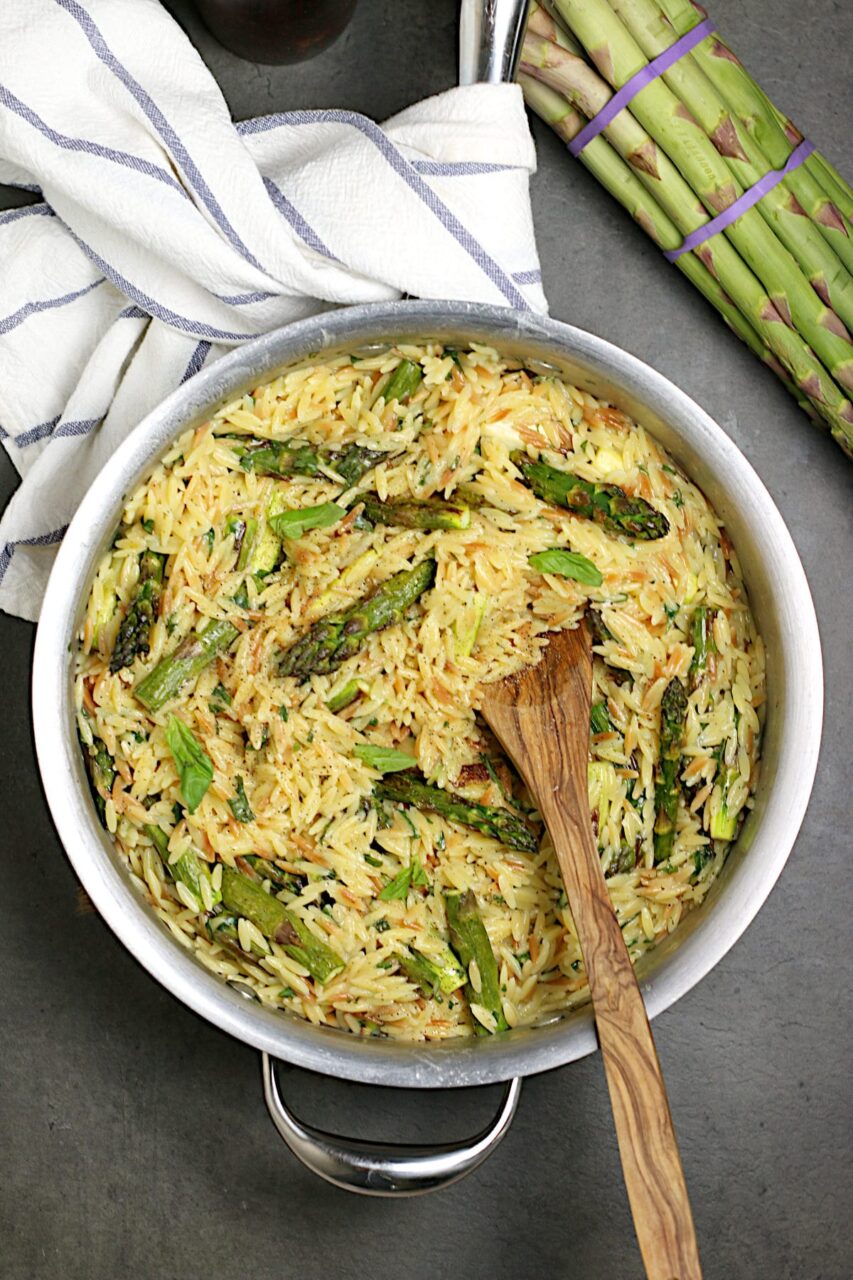
- Toast the orzo first: Before adding any liquid, let the dry orzo toast in the butter for 1 to 2 minutes, stirring constantly. It turns a light golden color and develops a slightly nutty flavor that makes the finished dish taste noticeably more complex.
- Keep the heat at medium: This is not a dish to rush on high heat. Medium heat gives the orzo time to absorb the liquid gradually and evenly. High heat causes the liquid to cook off too fast before the pasta is done, and you end up with gummy, unevenly cooked orzo at the bottom.
- Stir frequently, but not constantly: Stir every minute or two to prevent the orzo from sticking to the bottom of the pot. You want agitation to release starch (for creaminess), but you also need a few moments of rest between stirs so the orzo actually absorbs the liquid.
- Add asparagus at the right moment: Wait until the orzo is about halfway done — roughly 4 to 5 minutes into cooking — before adding the asparagus. This way the asparagus finishes cooking at the same time as the pasta, tender but not mushy.
- Use hot broth if you can: Adding warm or hot broth rather than cold helps maintain a steady temperature in the pot and speeds up even absorption. I usually just microwave my measured broth for 90 seconds before it goes in.
- Finish off the heat: Take the pot off the burner before stirring in the Parmesan and butter. Adding cheese over direct heat can cause it to seize up and turn grainy. Off-heat melting gives you a smooth, glossy finish every time.
Variations Worth Trying
- Add protein: Stir in shredded rotisserie chicken, cooked shrimp, or crispy pancetta when you add the asparagus. For a heartier, more substantial meal, this is the easiest upgrade.
- Swap the vegetable: Frozen peas are the most weeknight-friendly swap — stir them in right at the end of cooking, no extra time needed. Zucchini, spinach, cherry tomatoes, or broccolini all work beautifully too.
- Change the cheese: Pecorino Romano is a sharper, saltier substitute for Parmesan. Fontina melts even more luxuriously. A handful of cream cheese stirred in at the end takes the creaminess to a completely different level.
- Make it vegetarian: Simply swap the chicken broth for a good-quality vegetable broth. The dish is just as flavorful — Bon Appétit has excellent guidance on getting maximum depth from vegetable broth if you want to go that route.
- Spice it up: A pinch of red pepper flakes added with the garlic brings a gentle background heat that plays really nicely against the richness of the cheese.
- Meal prep version: Cook a full batch, portion into containers, and refrigerate for up to 4 days. Reheat with 2 to 3 tablespoons of broth or water per serving and stir over medium-low heat until creamy again.
If you love the idea of single-vessel cooking as much as I do, you might also want to check out this Sweet Potato Peanut Stew — a deeply flavorful one-pot dinner that comes together in under 45 minutes and is equally meal-prep friendly. And if your family goes through pasta nights the way mine does, the Dutch Oven Lasagna with no-boil noodles is another brilliant no-fuss pasta technique worth having in your rotation. For nights when you want to spread the single-pot love to the grill, our Low Country Shrimp Boil is the ultimate crowd-pleasing one-pot meal for feeding a hungry crew.
Nutritional Highlights
One serving of this One Pot Cheesy Orzo with Asparagus comes in at approximately 420 calories, making it a satisfying but not overwhelming weeknight dinner. Orzo provides a solid source of complex carbohydrates for sustained energy, while the Parmesan contributes a meaningful amount of calcium and protein per ounce — more than most people realize. Asparagus is genuinely one of the most nutrient-dense vegetables you can cook with: it is rich in folate, vitamins K and C, and contains prebiotic fiber that supports gut health. Because this dish is built on broth rather than a heavy cream sauce, the fat content stays moderate even though the texture feels luxurious. If you want to boost the protein further without dramatically changing the dish, stirring in a cup of rinsed white beans is one of the easiest and most budget-friendly upgrades you can make — it adds fiber, plant protein, and a creamy texture that blends seamlessly into the orzo. This is the kind of meal that genuinely nourishes the people you are feeding, not just fills them up.
Frequently Asked Questions
Can I make one pot cheesy orzo with asparagus ahead of time?
Absolutely, and it holds up better than most pasta dishes because the starchy, saucy base acts as a natural protective coating that keeps the orzo from drying out in the fridge. Cook the full batch, let it cool to room temperature, then transfer to airtight containers and refrigerate for up to 4 days. When you are ready to reheat, add 2 to 3 tablespoons of chicken broth or water per serving and warm it gently over medium-low heat, stirring frequently, until it returns to that creamy consistency. You can also microwave it in 60-second intervals, stirring in between, with a splash of liquid to loosen it up. The asparagus will be a little softer after refrigeration, but the flavor actually deepens overnight, which means leftovers often taste even better than the first bowl.
What can I substitute for asparagus in this recipe?
The asparagus can be swapped for almost any vegetable you have on hand, which is one of the reasons this recipe is such a reliable weeknight workhorse. Frozen peas are the most convenient option — stir them in during the last 2 minutes of cooking (or even off the heat) and they will warm through without losing their color or becoming mushy. Fresh baby spinach wilts beautifully if you stir it in right at the end. Zucchini, cut into small cubes, works well added at the same point you would add asparagus — partway through cooking. Cherry tomatoes, halved and stirred in at the finish, burst slightly and add a fresh, jammy sweetness. Broccolini or broccoli florets cut small are also excellent. The key is adjusting when you add the vegetable based on how long it needs to cook: hardy vegetables like broccoli go in early, tender ones like spinach and peas go in at the very end.
How do I prevent the orzo from sticking to the bottom of the pot?
The two most important factors are heat level and stirring frequency. Keep the heat at medium — not medium-high, not high — throughout the cooking process. High heat causes the liquid to evaporate faster than the orzo can absorb it, which leads to sticking and scorching on the bottom before the pasta is cooked through. Stir the pot every 60 to 90 seconds, making sure to scrape along the bottom and edges of the pot each time. A wide, heavy-bottomed pot or Dutch oven distributes heat more evenly than a thin-bottomed saucepan, which also dramatically reduces sticking. If you notice the liquid absorbing very quickly and the orzo starting to catch on the bottom before it is tender, simply add another quarter cup of broth and continue stirring. A little extra liquid is always easier to fix than scorched pasta.
Make It Tonight — Then Tell Everyone About It
This One Pot Cheesy Orzo with Asparagus is exactly the kind of recipe the internet was made to share — the kind that makes people feel like they have discovered a secret. Because the truth is, most home cooks do not realize orzo can be cooked this way, without boiling in a huge pot of water, without draining, without the colander circus. Once you make it this way, you will never go back. It is faster, tastier, and the cleanup is almost insultingly easy for how good dinner tastes.
If you make this recipe, I would genuinely love to hear how it turned out. Leave a comment below with any swaps you tried or proteins you added. Save it to your weeknight dinner board on Pinterest so you can come back to it on those nights when you need dinner fast and need it to be good. And if you share it on Instagram, tag us — seeing your versions of Jango Recipes dishes is genuinely the best part of running this site. Now go enjoy a bowl of something warm and cheesy with minimal dishes to show for it. You absolutely deserve it.
Find the complete recipe card below ↓

One Pot Cheesy Orzo with Asparagus
Equipment
- Large wide pot or Dutch oven (at least 4 quarts)
- Wooden spoon or silicone spatula
- Box grater or Microplane for Parmesan
- Measuring cups and spoons
- Chef's knife and cutting board
Ingredients
Main Ingredients
- 2 tablespoons unsalted butter divided
- 1 tablespoon olive oil
- 1 large shallot finely diced
- 3 cloves garlic minced
- 1.5 cups dry orzo pasta about 9 oz
- 3.5 cups low-sodium chicken broth warmed, plus more if needed
- 1 pound fresh asparagus woody ends trimmed, cut into 1-inch pieces
- 1 cup freshly grated Parmesan cheese plus more for serving
- 2 ounces cream cheese cut into small cubes, optional but recommended for extra creaminess
- 1 teaspoon lemon zest
- 1 tablespoon fresh lemon juice
- 0.5 teaspoon kosher salt plus more to taste
- 0.5 teaspoon black pepper freshly cracked
- 0.25 teaspoon red pepper flakes optional
Instructions
Cook the Aromatics
- In a large, wide pot or Dutch oven, melt 1 tablespoon of the butter with the olive oil over medium heat. Add the diced shallot and cook, stirring occasionally, for 3 minutes until softened and translucent.
- Add the minced garlic (and red pepper flakes if using) and cook for 30 seconds, stirring constantly, until fragrant. Do not let the garlic brown.
Toast the Orzo
- Add the dry orzo to the pot and stir to coat it in the butter and aromatics. Toast the orzo for 1 to 2 minutes, stirring frequently, until it turns a light golden color and smells slightly nutty. This step builds depth of flavor.
Cook the Orzo in Broth
- Pour in the warmed chicken broth all at once and stir well, scraping any bits from the bottom of the pot. Season with the 1/2 teaspoon of salt. Bring to a gentle simmer over medium heat.
- Cook, stirring every 60 to 90 seconds, for 4 to 5 minutes until the orzo has absorbed about half the liquid and the mixture is beginning to thicken.
Add the Asparagus
- Stir in the asparagus pieces. Continue cooking over medium heat, stirring frequently, for another 6 to 8 minutes until the orzo is tender but still has a slight bite (al dente) and the asparagus is bright green and tender-crisp. The mixture should look thick and saucy but not dry — if it looks too thick before the orzo is done, add an additional 1/4 cup of broth.
Finish with Cheese and Serve
- Remove the pot from the heat. Add the remaining 1 tablespoon of butter and the cream cheese cubes (if using) and stir until melted and fully incorporated.
- Add the freshly grated Parmesan in two additions, stirring vigorously after each addition until the cheese is fully melted and the orzo is glossy and creamy.
- Stir in the lemon zest and lemon juice. Taste and adjust seasoning with additional salt and black pepper as needed.
- Serve immediately in wide bowls topped with extra shaved Parmesan and cracked black pepper. Enjoy!
