

The Weeknight Dinner That Practically Makes Itself
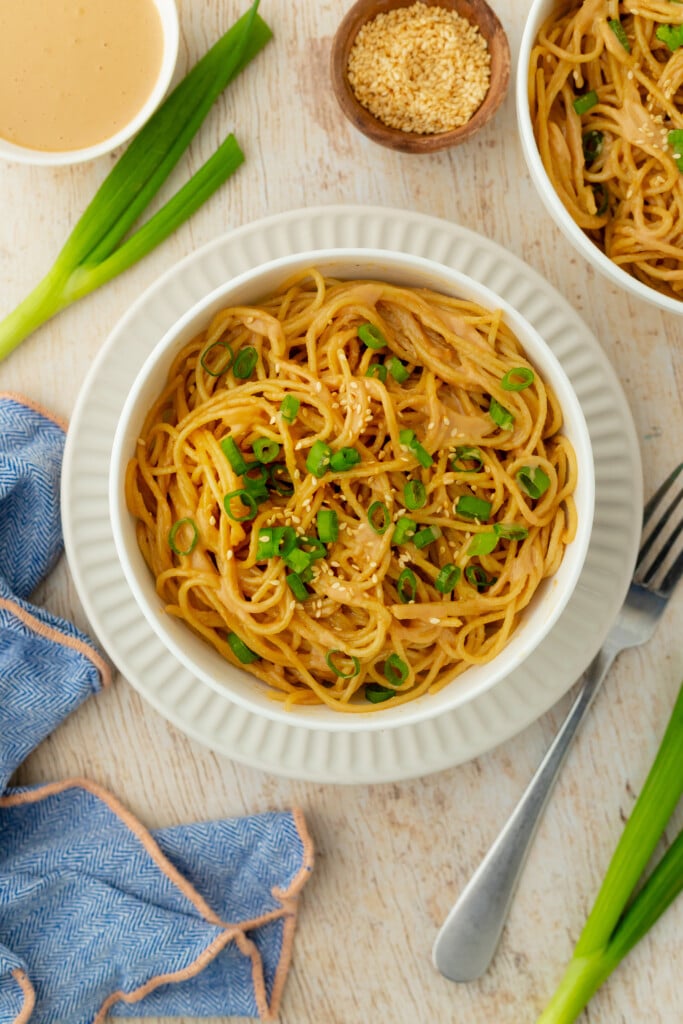
There are certain recipes that feel like a cheat code for weeknight cooking, and cold sesame noodles are at the very top of that list. You know those evenings when the last thing you want to do is stand over a hot stove, your kids are already asking what’s for dinner before you’ve even put your bag down, and the fridge looks like it needs a grocery run? This is the recipe you reach for. Silky noodles tossed in a bold, nutty, slightly spicy peanut sauce — it comes together in about 20 minutes, the sauce requires zero cooking, and the result tastes like something you’d order from your favorite noodle shop. It’s the kind of dinner that makes everyone at the table stop talking and just eat.
Cold sesame noodles have been a staple of Chinese-American takeout menus for decades, and for good reason. The combination of creamy peanut butter, toasted sesame oil, soy sauce, rice vinegar, and chili heat creates a sauce that is deeply savory, tangy, and just a little addictive. What makes this version especially practical for a busy household is that the sauce is a pure pantry play — no special trips to the store required. If you keep soy sauce, peanut butter, and a few aromatics on hand (and most of us do), you’re already most of the way there. Boil some noodles, whisk together the sauce, toss, and dinner is served. Honestly, it’s almost too easy.
What really sets this recipe apart for family meal prep is how well it holds up. The noodles taste even better after a few hours in the fridge as the sauce soaks into every strand. That means you can make a big batch on Sunday and pull it out all week for lunches, quick dinners, or even a cold noodle bowl packed into a lunchbox. Whether you’re feeding four hungry people tonight or planning ahead for the week, cold sesame noodles deliver maximum flavor with minimum effort every single time.
Why You’ll Love This Recipe
- Zero cooking required for the sauce — just whisk pantry staples together and you’re done.
- Ready in 20 minutes flat — faster than ordering takeout, and way cheaper.
- Budget-friendly — feeds a family of four for well under $10 using ingredients you likely already have.
- Perfect for meal prep — the noodles keep beautifully in the fridge for up to 4 days and taste better the longer they sit.
- Endlessly customizable — load it up with whatever vegetables, proteins, or toppings you have on hand.
- Naturally satisfying — the peanut sauce is rich, filling, and hits every flavor note: salty, savory, tangy, spicy, and a little sweet.
- Crowd-pleasing for all ages — dial the heat up or down to suit your family, and kids tend to absolutely love the peanut sauce.
Key Ingredients That Make This Dish
The star of these cold sesame noodles is undeniably the creamy peanut butter, which forms the backbone of the sauce. It gives the dish that rich, nutty depth that makes every bite feel indulgent without being heavy — use a natural, no-stir variety if you can, since it blends more smoothly into the sauce. Working right alongside it is toasted sesame oil, which is non-negotiable here; just a couple of tablespoons transforms the entire dish with its deep, roasted, almost smoky aroma that is the defining flavor of classic sesame noodles. Don’t substitute regular sesame oil — it simply doesn’t deliver the same punch. For the noodle itself, lo mein noodles or spaghetti both work wonderfully — lo mein gives you that authentic chewy texture, but a box of regular spaghetti from the pantry is a completely acceptable weeknight swap that most families won’t notice. The heat in this dish comes from chili garlic sauce or sambal oelek, which brings both spice and a fruity, fermented complexity that plain red pepper flakes just can’t match — and you control exactly how much goes in based on who’s eating. A splash of rice vinegar is what keeps the sauce from feeling heavy; that bright acidity cuts right through the peanut butter and balances everything out beautifully. Finally, fresh garlic and ginger grated directly into the sauce add a sharp, aromatic backbone that elevates this from a simple peanut noodle to something that genuinely tastes restaurant-quality. If you love bold, punchy Asian-inspired flavors, you might also enjoy our Healthy Thai Papaya Salad Som Tam, which uses a similarly vibrant pantry-forward dressing.
Pro Tips & Variations
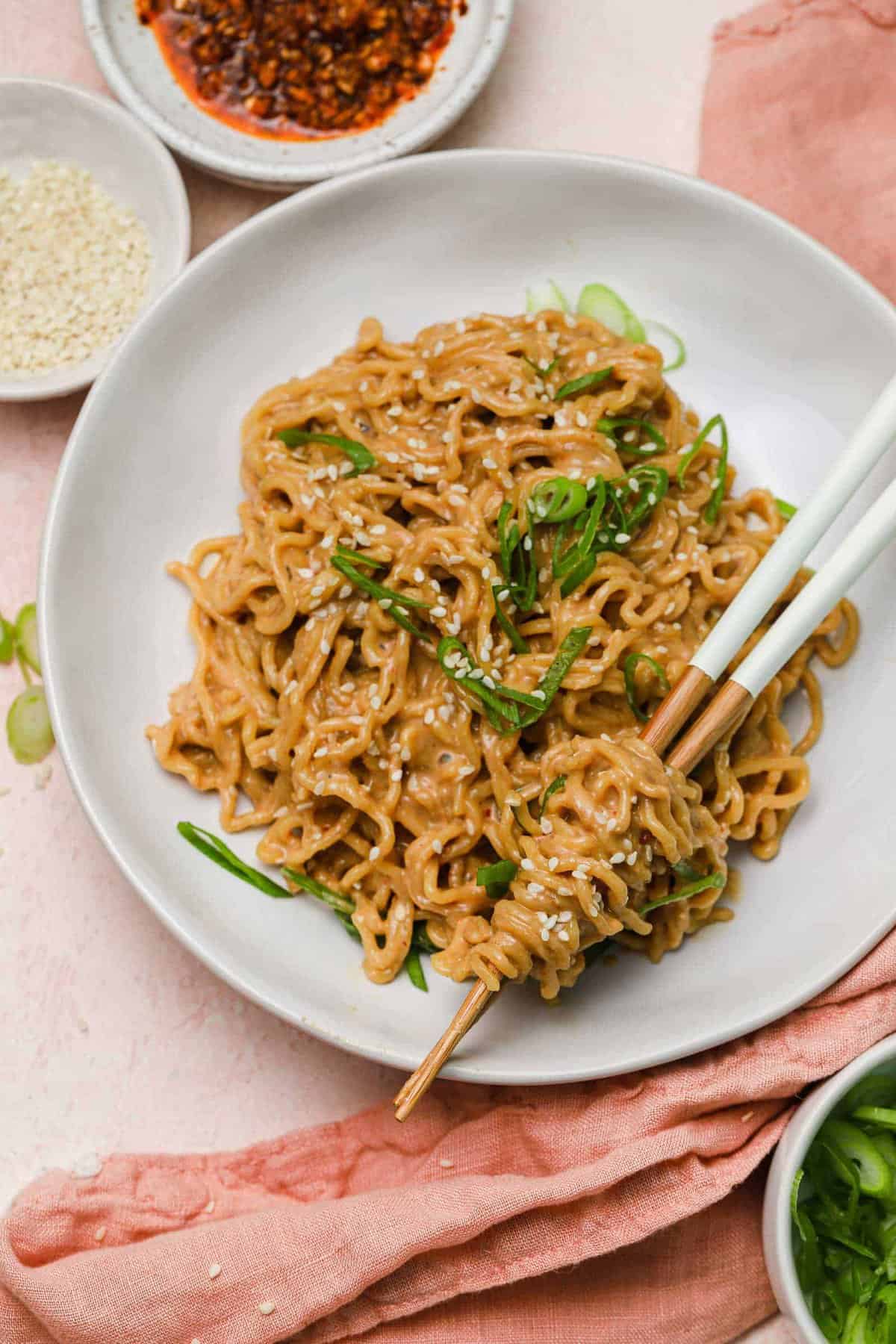
Getting the most out of this recipe is all about a few smart techniques and knowing where you can flex the formula to fit your pantry and your family’s preferences.
Nail the Noodle Texture
Cook your noodles just until al dente — slightly underdone actually works in your favor here because the noodles will continue to absorb sauce as they sit. The most important step after draining is to rinse the noodles under cold water immediately and toss them with a small drizzle of sesame oil right away. This stops the cooking, cools them down fast, and prevents that dreaded clumping that makes cold noodles turn into one giant pasta blob. According to the food science experts at Serious Eats, rinsing pasta is generally discouraged for hot dishes but is exactly the right move for cold noodle preparations like this one, since removing surface starch keeps the noodles from sticking together.
Sauce Consistency Is Everything
If your peanut sauce looks too thick when you first whisk it — and it often does — don’t panic. Add warm water one tablespoon at a time until it reaches a pourable, ribbon-like consistency that will coat the noodles evenly. Warm water emulsifies into the peanut butter much more smoothly than cold water. You want the sauce to be loose enough to toss, but thick enough to cling to every strand.
Make It a Meal Prep MVP
This is one of the best recipes in your weeknight arsenal for Sunday batch cooking. Make a double batch of sauce and keep it in a jar in the fridge for up to two weeks — it’s incredible on grain bowls, as a dipping sauce for spring rolls, or drizzled over roasted broccoli. Cook the noodles, toss with sauce, and portion into containers. If you’re meal prepping, keep the toppings (cucumber, carrots, green onions) stored separately and add them fresh each day so they stay crisp. For more smart no-fuss make-ahead ideas, check out our Overnight Oats Summer Berry Recipe — same strategy, totally different meal.
Protein Add-Ins
While these noodles are completely satisfying on their own, they become a full protein-packed dinner with minimal extra effort. Rotisserie chicken shredded over the top is the ultimate shortcut. Soft-boiled eggs, edamame, baked tofu, or even frozen shrimp thawed under cold water all work beautifully and require almost no cooking. This is a recipe that plays nicely with whatever you have lingering in the fridge.
Vegetable Variations
The beauty of cold sesame noodles is that almost any crunchy vegetable works as a topping or mix-in. Julienned cucumber and shredded carrots are the classic choice, but thinly sliced red cabbage, snap peas, blanched broccoli florets, bell pepper strips, or even shredded zucchini are all fantastic options. You’re essentially making a noodle salad, so think in terms of texture contrast and color.
Spice Level Control
The recipe as written has a medium heat level that most adults enjoy. For a family with younger kids, simply reduce or omit the chili garlic sauce from the base recipe and serve it on the side for the adults to add themselves. A drizzle of chili oil on individual bowls is a great way to please everyone at the table without making two separate sauces. Bon Appétit has a great breakdown of chili oil varieties that can help you find your perfect heat level for dishes like this.
Gluten-Free Option
Swap the regular noodles for rice noodles or 100% buckwheat soba noodles, and replace the soy sauce with tamari. The sauce is otherwise naturally gluten-free, so this is an easy adaptation that doesn’t sacrifice any flavor.
Nutritional Highlights
These cold sesame noodles are a genuinely well-rounded meal that punches above its weight nutritionally for such a simple dish. The peanut butter in the sauce contributes healthy monounsaturated fats and a meaningful amount of plant-based protein, while the noodles provide sustained complex carbohydrates that keep you full through the evening. A single serving delivers approximately 480 calories with around 15 grams of protein — and that number climbs significantly if you add rotisserie chicken or tofu, making it an easy high-protein meal for active families. The sesame oil contains beneficial omega-6 fatty acids, and loading up on vegetable toppings like cucumber, carrots, and green onions adds fiber, vitamins, and micronutrients without adding meaningful calories. This is the kind of dish where eating well and eating deliciously feel like exactly the same thing — which is a rare and wonderful combination on a Tuesday night. For another refreshing no-cook dish that’s just as easy to throw together, our Chilled Gazpacho is a perfect companion on a warm evening.
Frequently Asked Questions
Can I make cold sesame noodles ahead of time?
Absolutely — in fact, making them ahead is one of the best things you can do with this recipe. The noodles actually improve after a few hours in the fridge as the sauce soaks deeper into each strand and the flavors meld together. You can prepare the full dish up to 24 hours in advance. For meal prep that stretches across several days, store the dressed noodles in an airtight container in the refrigerator for up to 4 days. The sauce may thicken as it sits, so simply add a splash of warm water or a tiny drizzle of sesame oil and toss again before serving to loosen everything back up. Keep any fresh vegetable toppings stored separately and add them right before eating so they stay crisp and don’t turn soggy.
What kind of noodles work best for cold sesame noodles?
Chinese lo mein noodles or fresh wheat noodles are the most traditional choice and give you that satisfying chewy bite that holds up beautifully under a thick peanut sauce. However, the beauty of this weeknight recipe is its flexibility — regular spaghetti or linguine from a box works just as well and is probably already in your pantry. Thin spaghetti (spaghettini) is particularly good if you want a slightly lighter, more delicate result. For gluten-free versions, rice noodles or soba noodles are excellent alternatives. Avoid very thin angel hair pasta, which tends to clump together and get mushy under the sauce rather than staying springy and separate.
How do I keep the noodles from getting clumpy?
Clumping is the number one cold noodle complaint, and it’s entirely preventable with two key steps. First, rinse the cooked noodles immediately and thoroughly under cold running water as soon as they’re done draining — this removes the surface starch that causes sticking. Second, toss the rinsed noodles with a teaspoon of toasted sesame oil right away before you add the peanut sauce. This coats every strand with a light barrier that keeps them slipping freely against each other. If you’re making the noodles ahead of time and not dressing them immediately, the sesame oil toss is especially important. When you’re ready to serve, toss again with a tiny drizzle of warm water if needed to loosen things up.
Make These Noodles Tonight — You Won’t Regret It
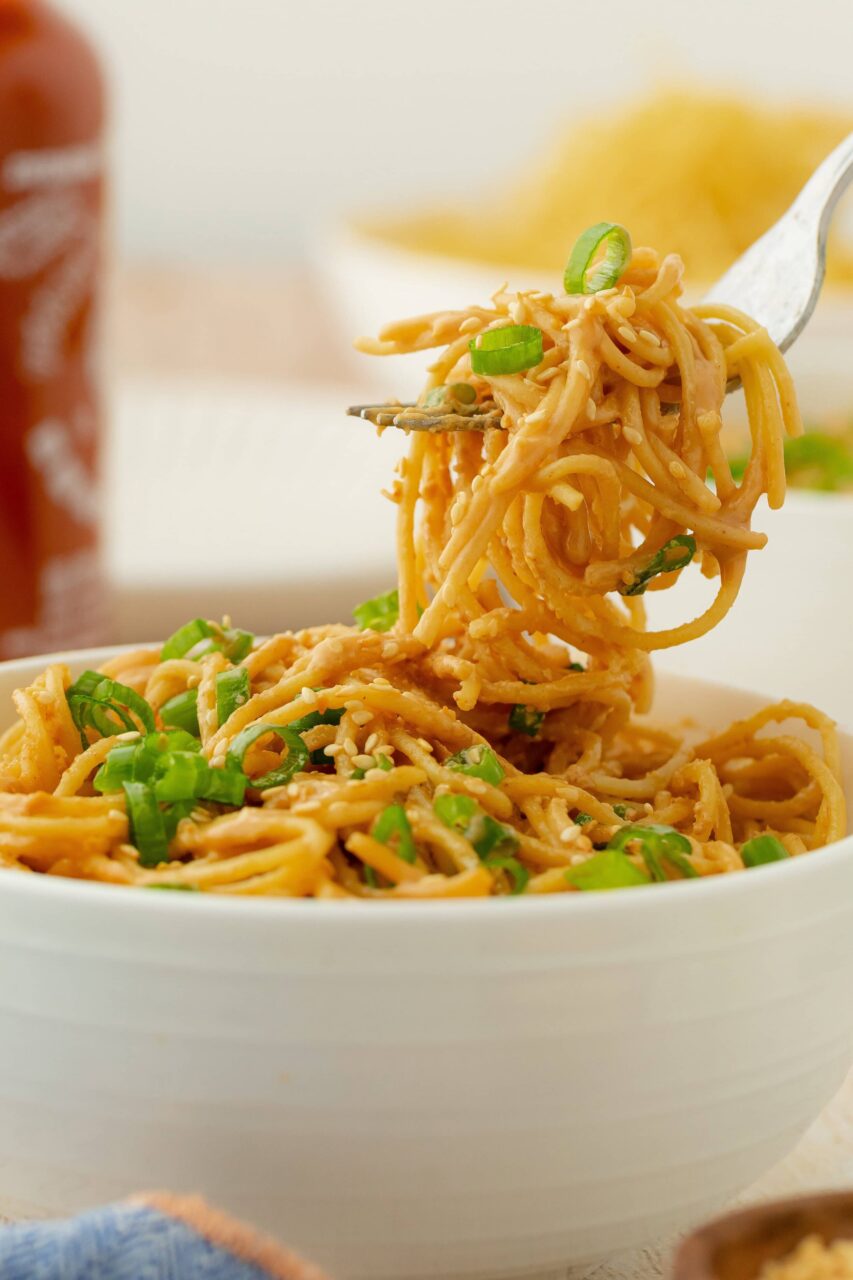
Cold sesame noodles are the definition of a recipe that earns permanent rotation status. They’re faster than delivery, cheaper than a restaurant, endlessly adaptable to whatever you have in the fridge, and genuinely, deeply delicious in a way that makes everyone at the table happy. The no-cook peanut sauce is a skill that pays dividends far beyond this one dish — once you’ve got it memorized, you’ll find yourself drizzling it over everything. Whether you’re making this for a chaotic Tuesday dinner, packing it into meal prep containers for the week ahead, or serving it at a summer gathering where a cold dish is exactly what everyone needs, these noodles never disappoint. Try them once and you’ll understand why this is one of the most beloved noodle recipes in weeknight cooking.
If you make this recipe, we’d love to hear how it turned out! Leave a comment below, rate the recipe, and share a photo with us on Instagram or Pinterest — seeing your bowls makes our day. Save this post now so you always have it handy when that weeknight dinner panic sets in.
Find the complete recipe card below ↓
Cold Sesame Noodles
Equipment
- Large pot for boiling noodles
- Colander
- Large mixing bowl
- Medium bowl for sauce
- Whisk
- Box grater or microplane for ginger and garlic
Ingredients
- 12 oz lo mein noodles or spaghetti dry
- 1 tsp toasted sesame oil for tossing after rinsing
- 1/3 cup creamy peanut butter natural preferred
- 3 tbsp soy sauce or tamari for gluten-free
- 2 tbsp toasted sesame oil
- 2 tbsp rice vinegar
- 1 tbsp chili garlic sauce or sambal oelek adjust to taste
- 1 tbsp honey or brown sugar
- 2 cloves garlic freshly grated or minced
- 1 tsp fresh ginger freshly grated
- 1 tbsp fresh lime juice about half a lime
- 2-4 tbsp warm water to thin sauce to desired consistency
- 1 medium cucumber julienned or thinly sliced
- 1 cup shredded carrots pre-shredded from a bag works great
- 3 green onions thinly sliced
- 2 tbsp sesame seeds toasted
- 1 tbsp chili oil optional, for serving
- 1 lime cut into wedges for serving
Instructions
- Cook the noodles according to package directions until just al dente — about 1 minute less than the package suggests. The noodles will continue to soften slightly as they absorb the sauce.
- While the noodles cook, make the peanut sauce: whisk together peanut butter, soy sauce, toasted sesame oil, rice vinegar, chili garlic sauce, honey, grated garlic, grated ginger, and lime juice in a medium bowl until completely smooth and combined.
- Add warm water to the sauce one tablespoon at a time, whisking after each addition, until the sauce reaches a pourable ribbon-like consistency that will coat the noodles. You'll likely need 2-4 tablespoons total.
- Drain the cooked noodles and immediately rinse thoroughly under cold running water for 30-60 seconds, tossing with your hands, until the noodles are completely cooled and no longer sticky.
- Shake off excess water and place the rinsed noodles in a large bowl. Drizzle with 1 teaspoon of sesame oil and toss well to coat every strand — this prevents clumping.
- Pour the peanut sauce over the noodles and toss thoroughly until every strand is well coated. Taste and adjust seasoning — add more soy sauce for saltiness, more rice vinegar for tang, more chili garlic sauce for heat, or a pinch more honey for sweetness.
- Divide the noodles into bowls and top with julienned cucumber, shredded carrots, sliced green onions, and toasted sesame seeds. Drizzle with chili oil if desired and serve with lime wedges on the side.
- Serve immediately at room temperature, or refrigerate for up to 4 days. If serving chilled, let sit at room temperature for 5 minutes and toss with a splash of warm water to loosen the sauce before serving.
