

When the Kitchen Feels Like a Sauna, This Chilled Gazpacho Saves Dinner
You know those weeks in July or August when just the thought of turning on the stove makes you want to order pizza for the fifth time? We’ve all been there. The sun is blazing, the kids are cranky, and the last thing you want is to stand over a hot burner stirring something. That’s exactly when this chilled gazpacho becomes your single greatest kitchen weapon. No heat, no stove, no oven — just your blender, a handful of fresh vegetables, and about fifteen minutes of mostly hands-off prep. It’s the kind of recipe that feels almost too easy to be real, until you take your first cold, tangy, garlicky sip and wonder why you haven’t been making it every single week.
Gazpacho has been feeding families in Spain for centuries — and honestly, once you understand what it is, you realize Spanish home cooks were onto meal prep long before it became a trend. This is peasant food at its finest: garden vegetables blended with stale bread, olive oil, and vinegar into a silky, vibrant soup that actually gets better the longer it sits in the fridge. Make a big batch on Sunday, and you’ve got cold lunches, light suppers, and even a quick snack-in-a-glass ready for days. It travels beautifully in a mason jar, costs almost nothing to make, and requires zero cooking skill beyond pressing a blender button. For a busy family on a budget, that’s practically a miracle recipe.
What I love most about this version is that it’s completely pantry-and-produce-friendly. We’re talking ingredients you likely already have: tomatoes, cucumber, bell pepper, garlic, olive oil, and a splash of red wine vinegar. No specialty ingredients, no trips to a fancy grocery store. The depth of flavor comes entirely from technique — using ripe tomatoes, letting everything chill properly, and seasoning boldly. Whether you’re feeding a crowd on a sweltering evening or packing a thermos lunch for yourself, this chilled gazpacho delivers serious flavor with almost zero effort.

Why You’ll Love This Recipe
- Absolutely zero cooking required — no stove, no oven, not even a microwave. Perfect for the hottest days of the year.
- Ready in 15 minutes of active prep — just chop, blend, season, and chill. The fridge does the rest of the work.
- Incredible for meal prep — gazpacho actually improves overnight as the flavors meld. Make a big batch and eat well all week.
- Budget-friendly to the core — peak-summer tomatoes and garden vegetables are among the cheapest, most abundant ingredients you’ll find all year.
- Easily scales up for crowds — hosting a backyard gathering? Double or triple the batch. It’s a crowd-pleaser that requires zero day-of effort.
- Naturally vegan, gluten-optional, and low-calorie — it fits almost every table without a single substitution needed.
- Versatile and customizable — serve it as a starter, a light lunch, or a side alongside something heartier like our Grilled Vegetable and Goat Cheese Tart for a stunning summer spread.
Key Ingredients and Why They Matter
The soul of any great chilled gazpacho is ripe tomatoes, and this is non-negotiable. We’re talking deeply red, fragrant, in-season tomatoes — the kind that smell like summer when you cut into them. Roma tomatoes work beautifully for their meatiness and low water content, but heirloom tomatoes will give you the most complex, layered flavor. The tomatoes provide the base, the color, and the natural sweetness that balances every other element. Next up is English cucumber, which brings a cool, refreshing quality and lightens the body of the soup. It blends silky-smooth and contributes that unmistakable summer freshness. A red bell pepper adds a subtle sweetness and body, rounding out the sharpness of the tomatoes and vinegar without overpowering — it also contributes to that gorgeous brick-red color. Then there’s garlic, which in traditional Spanish gazpacho is used raw and uncooked, lending a pungent, sharp bite that mellows beautifully after the soup chills overnight. Use it boldly. Red wine vinegar is the secret that makes everything pop — it provides the acid that brightens all the other flavors and keeps the soup tasting alive and vibrant rather than flat. Finally, a generous pour of good extra-virgin olive oil is what transforms this from a blended vegetable drink into a genuinely luxurious, silky soup. Don’t skimp here; the olive oil emulsifies into the blend and gives the gazpacho its body and richness.
Pro Tips & Variations for the Best Chilled Gazpacho
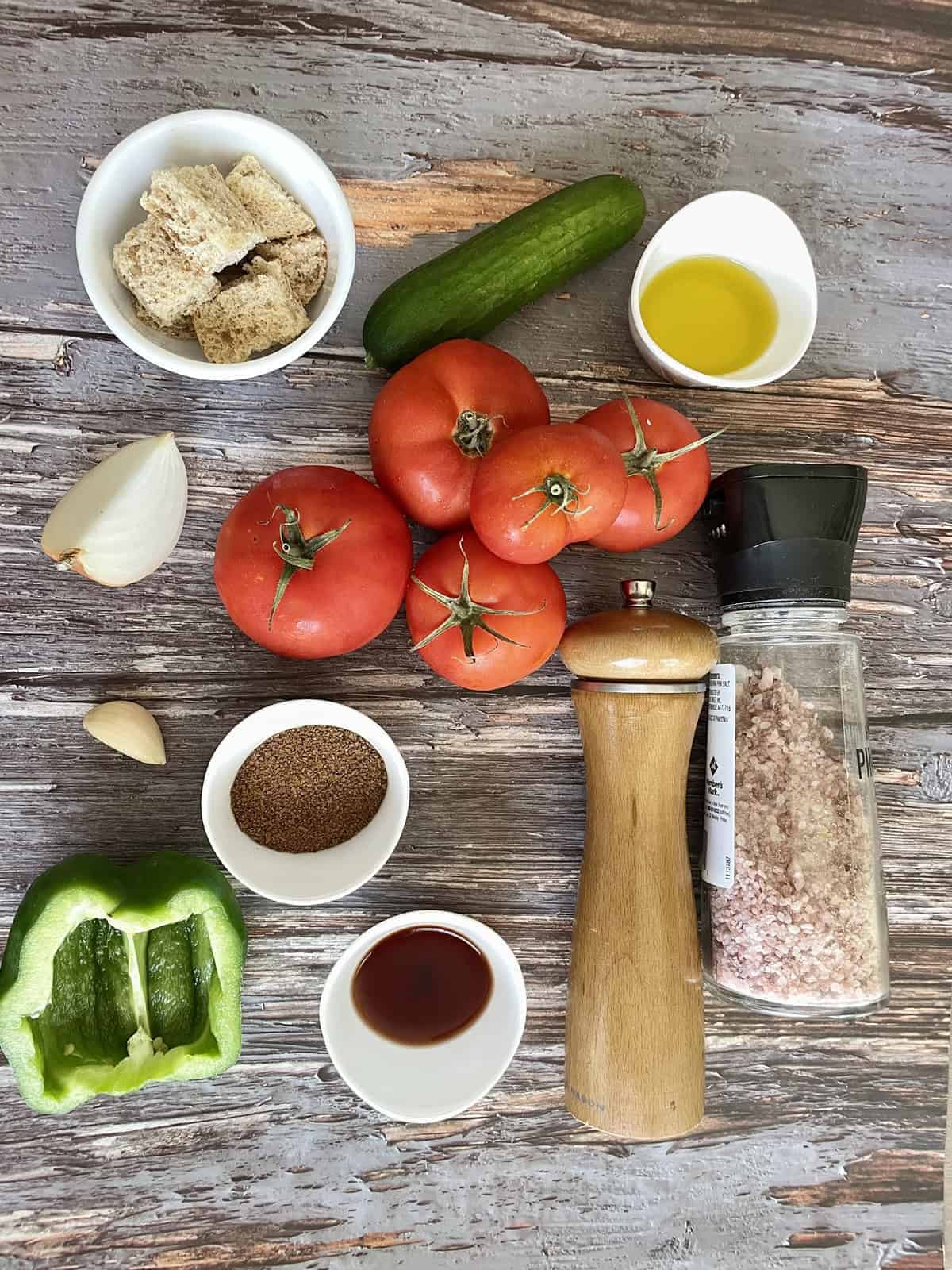
Use the ripest tomatoes you can find. This is the single most impactful tip for this recipe. Watery, pale, out-of-season tomatoes will produce a thin, flat-tasting soup. If peak-season tomatoes aren’t available, a combination of fresh tomatoes and a good-quality canned whole tomato (San Marzano) works surprisingly well. Serious Eats has an excellent deep-dive on the tomato question if you want to nerd out on the science of it.
Chill everything before blending. For the coldest, most refreshing result, refrigerate your tomatoes, cucumber, and pepper for a few hours before you start. A chilled soup that comes out of the blender already cool tastes better faster — you won’t need as long a resting time.
Strain or don’t strain — your call. Traditional Spanish gazpacho is often passed through a fine-mesh strainer for an ultra-silky, restaurant-quality texture. If you’re feeding picky eaters or want an elegant presentation, strain it. If you’re making a big weeknight batch for the family and want maximum nutrition and minimum hassle, skip the strainer — it’s delicious either way.
The bread trick is worth trying. Authentic gazpacho includes a slice of stale white bread soaked in water and blended in. It sounds odd, but it creates a beautifully creamy, emulsified texture and a subtle body that you just can’t replicate otherwise. Soak a thick slice in water for five minutes, squeeze out the excess, and blend it right in with everything else.
Season aggressively and taste after chilling. Cold temperatures mute flavors, so what tastes perfectly seasoned at room temperature will taste underseasoned once it’s been in the fridge for two hours. Season generously with salt, taste it cold, and adjust before serving.
Variations to keep it interesting all season long:
- Watermelon Gazpacho: Swap 30% of the tomatoes for seedless watermelon. Bright, sweet, and stunning — especially when served in small glasses as a party appetizer.
- Spicy Gazpacho: Add half a jalapeño or a pinch of cayenne for heat. Start small and adjust — raw garlic and vinegar already give plenty of kick.
- Green Gazpacho (Ajo Blanco inspired): Use green heirloom tomatoes, tomatillos, cucumber, and a handful of fresh basil or parsley for a verdant, herby version.
- Chunky Style: Reserve about one-third of the vegetables before blending, finely dice them, and stir them into the blended base. You get a satisfying texture contrast and it feels more like a meal.
- Make it a full meal: Top with sautéed shrimp, a soft-boiled egg, or a scoop of our Roasted Chickpea Hummus Bowl chickpeas for a protein-packed lunch bowl that requires zero additional cooking.
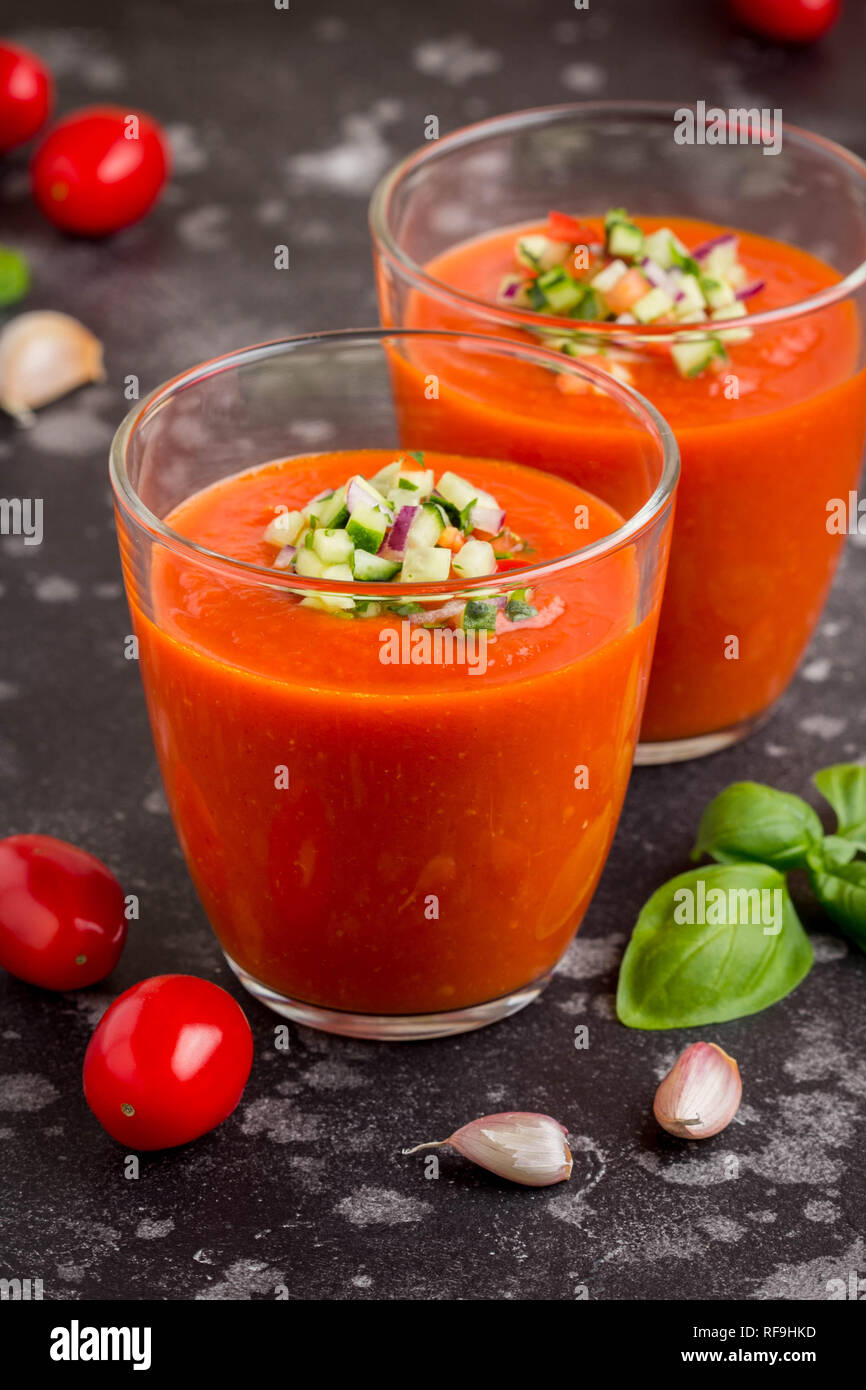
Garnish like a pro: The toppings are where gazpacho goes from humble to impressive. Think finely diced cucumber, tiny croutons drizzled in olive oil and toasted, a swirl of good olive oil, fresh basil or chives, a few cherry tomato halves, or even a dollop of crème fraîche. Keep garnishes cold until the moment of serving.
If you’re building a full no-cook summer menu around this soup, consider pairing it with our Frozen Yogurt Covered Blueberries for dessert — the whole meal comes together without touching a single burner, which is the ultimate summer weeknight win. And for those hot mornings when you want to continue the no-cook streak, our Overnight Oats Summer Berry Recipe has you covered from sunrise to sundown.
Nutritional Highlights
Chilled gazpacho is one of those rare dishes that tastes indulgent but is genuinely packed with nutrition. A single serving delivers a meaningful dose of lycopene — the powerful antioxidant found in cooked and raw tomatoes that’s associated with heart health and reduced inflammation. You’re also getting a solid hit of vitamin C from the bell pepper and tomatoes, vitamin K from the cucumber, and a steady stream of healthy monounsaturated fats from the extra-virgin olive oil, which actually help your body absorb the fat-soluble vitamins in the vegetables. The whole bowl clocks in at roughly 150–180 calories per serving, making it a wonderfully light option for lunch or as a starter before a heartier main. It’s naturally low in saturated fat, contains no cholesterol, and is full of dietary fiber — all while tasting rich, satisfying, and completely delicious. Epicurious notes that the Mediterranean diet staples in this soup — olive oil, tomatoes, garlic, and fresh vegetables — are consistently ranked among the most health-supportive ingredients you can eat regularly. It’s a reminder that the best food for you is often also the most delicious.
Frequently Asked Questions
Can I make chilled gazpacho ahead of time?
Absolutely — and in fact, you should. Gazpacho is one of the few recipes that genuinely improves with time. Making it at least 2–4 hours ahead allows the flavors to fully meld and deepen, and the soup becomes more cohesive and complex. Overnight is even better. This makes it an ideal meal-prep recipe — blend a large batch on Sunday and you’ll have flavorful, ready-to-eat lunches and quick dinners through at least Wednesday or Thursday. Just give it a good stir before serving, taste for seasoning (cold dulls salt, so you may want to add a pinch more), and garnish fresh right before you eat.
What can I substitute if I don’t have red wine vinegar?
Red wine vinegar is traditional and gives the best flavor, but it’s not the only option. Sherry vinegar is actually the most authentic Spanish choice and adds a slightly nuttier, more complex depth — highly recommended if you can find it. White wine vinegar works well as a straightforward swap. A small squeeze of fresh lemon juice can also stand in, though it will give a slightly brighter, citrusy note rather than the vinegary tang. Avoid balsamic vinegar here — it’s too sweet and will dramatically change the color and flavor profile of the soup in ways that don’t work well.
How long does homemade gazpacho keep in the refrigerator?
Stored in an airtight container or sealed mason jars, homemade chilled gazpacho keeps well in the refrigerator for up to 4–5 days. The flavor is actually at its peak on days 2 and 3. After day 4, the cucumber and garlic can become a bit more assertive, and the color may darken slightly, but it’s still safe to eat. Give it a good shake or stir before serving, as natural separation will occur. For longer storage, gazpacho freezes reasonably well for up to 2 months — freeze in individual portions for quick weekday lunches, and thaw overnight in the fridge before serving.
Make It, Share It, Save It
If this chilled gazpacho recipe has convinced you that no-cook summer cooking can be both incredibly easy and genuinely impressive, I’d love to hear about it. There’s something genuinely joyful about putting a beautiful, vibrant bowl of cold Spanish tomato soup on the table and watching everyone’s faces when you casually mention you made it in fifteen minutes without turning on a single burner. That’s the magic of this recipe — maximum payoff, minimum effort, and a story that goes back centuries to the sun-drenched kitchens of Andalusia.
Save this recipe to your Pinterest boards for those sweltering weeknight dinner emergencies, share it with a friend who always says they don’t have time to cook, and leave a comment below telling me which variation you tried first. Did you go classic? Spicy? Watermelon? I genuinely want to know. And if you photograph your gazpacho — which you absolutely should because it’s one of the most photogenic soups on the planet — tag us on Instagram so we can see your beautiful bowl.
Now go blend something delicious, and remember: the best weeknight meals don’t always require heat.
Find the complete recipe card below ↓

Chilled Gazpacho
Equipment
- High-powered blender
- Fine-mesh strainer (optional)
- Large pitcher or airtight container
- Chef's knife
- Cutting board
- Measuring cups and spoons
Ingredients
Soup Base
- 2 lbs ripe Roma or heirloom tomatoes roughly chopped, about 5–6 medium tomatoes
- 1 large English cucumber peeled and roughly chopped, divided (reserve ¼ for garnish)
- 1 medium red bell pepper seeded and roughly chopped
- ½ medium white or yellow onion roughly chopped
- 3 cloves garlic peeled
- 1 thick slice stale white bread crust removed, soaked in water 5 minutes and squeezed dry (optional but recommended)
- 3 tablespoons red wine vinegar plus more to taste
- ¼ cup extra-virgin olive oil good quality, plus extra for drizzling
- 1 teaspoon fine sea salt plus more to taste
- ½ teaspoon freshly ground black pepper
- ½ cup cold water adjust for desired consistency
Garnish (Optional)
- finely diced cucumber reserved from above
- finely diced red bell pepper
- small croutons toasted in olive oil
- drizzle of extra-virgin olive oil
- fresh basil or chives for serving
Instructions
Prep the Vegetables
- Roughly chop the tomatoes, cucumber (reserving about ¼ of it for garnish), red bell pepper, and onion. No need to be precise — everything is going into the blender.
- If using bread, tear the stale slice into chunks, place in a small bowl, cover with cold water, and let soak for 5 minutes. Squeeze out the excess water firmly before adding to the blender.
Blend
- Add the chopped tomatoes, cucumber, red bell pepper, onion, garlic cloves, and soaked bread (if using) to a high-powered blender. Blend on high for 60–90 seconds until very smooth.
- With the blender running on low, slowly drizzle in the extra-virgin olive oil through the lid opening to emulsify. This gives the gazpacho a silkier, creamier texture.
- Add the red wine vinegar, salt, black pepper, and cold water. Blend again for 30 seconds. Taste and adjust seasoning — add more vinegar for brightness, more salt for depth, or more water to thin the consistency.
Strain (Optional)
- For a silky, restaurant-style texture, pour the blended gazpacho through a fine-mesh strainer set over a large bowl, pressing with a spatula to extract all the liquid. Discard the solids. Skip this step for a thicker, more rustic gazpacho.
Chill
- Transfer the gazpacho to a large pitcher or airtight container. Cover and refrigerate for at least 2 hours, and ideally overnight. The flavor improves significantly as it chills.
Serve
- Taste the chilled gazpacho again and re-season if needed (cold temperatures mute salt, so you may want a pinch more).
- Ladle into chilled bowls or glasses. Garnish with finely diced cucumber, diced red pepper, small croutons, a drizzle of good olive oil, and fresh basil or chives. Serve immediately.
