

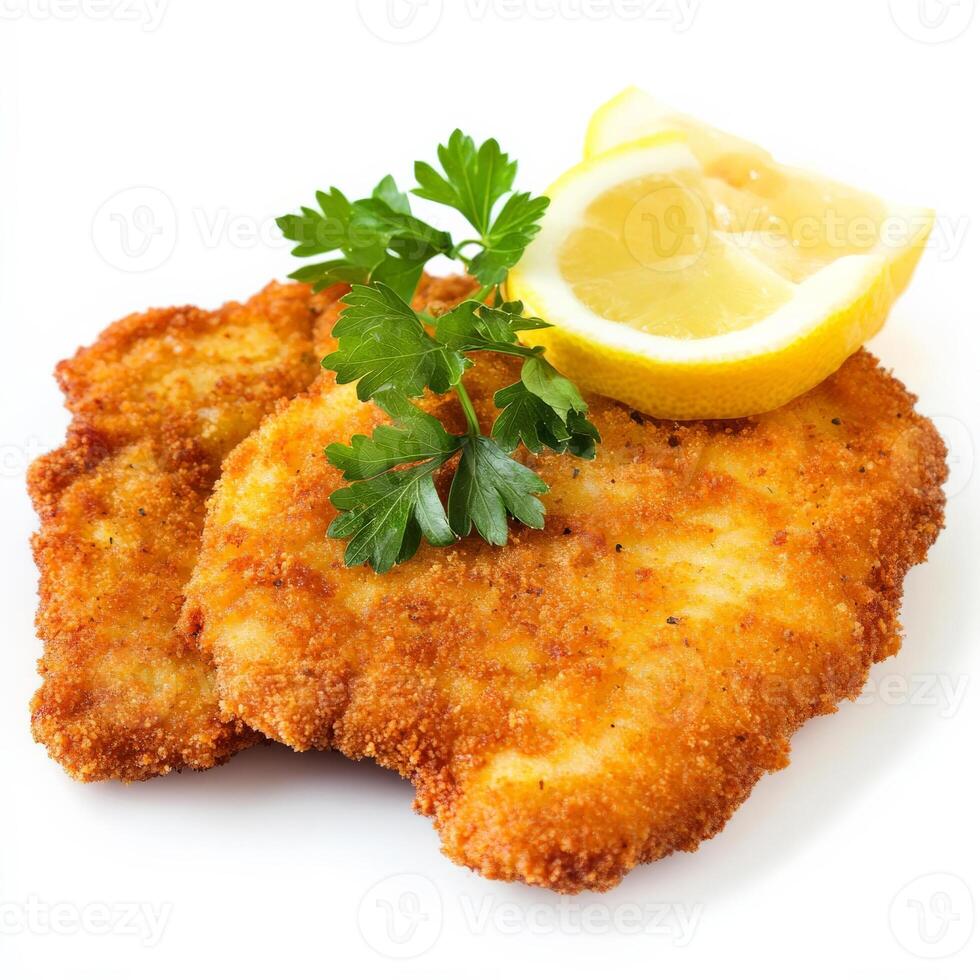
There’s something magical about the sound of schnitzel sizzling in hot oil – that unmistakable crackling that promises a golden, crispy coating wrapped around tender, juicy meat. German Schnitzel has been winning over families for generations, and it’s easy to see why. This isn’t just restaurant food; it’s the kind of satisfying, no-nonsense dinner that transforms a regular Tuesday night into something special. The best part? You probably already have everything you need sitting in your pantry right now. What I love most about this German Schnitzel recipe is how it turns humble ingredients into something that feels fancy but couldn’t be more straightforward. We’re talking about taking basic chicken cutlets, giving them the golden treatment with flour, eggs, and breadcrumbs, then pan-frying them to crispy perfection. It’s the kind of meal that makes everyone at the table pause mid-conversation for that first satisfying crunch. Plus, the whole thing comes together in about 30 minutes – perfect timing for those hectic weeknight schedules when you want something delicious without the fuss, much like other satisfying fried favorites such as Haitian Griot: Easy
What I love most about this German Schnitzel recipe is how it turns humble ingredients into something that feels fancy but couldn’t be more straightforward. We’re talking about taking basic chicken cutlets, giving them the golden treatment with flour, eggs, and breadcrumbs, then pan-frying them to crispy perfection. It’s the kind of meal that makes everyone at the table pause mid-conversation for that first satisfying crunch. Plus, the whole thing comes together in about 30 minutes – perfect timing for those hectic weeknight schedules when you want something delicious without the fuss.
Why You’ll Love This Recipe
This German Schnitzel recipe is a game-changer for busy families who want restaurant-quality dinner without the restaurant prices or time commitment. The beauty lies in its simplicity – we’re using everyday chicken cutlets instead of expensive veal, and the three-step breading process creates that signature golden crust that makes schnitzel so irresistible. It’s incredibly budget-friendly, feeding a family of four for less than most takeout options.
The timing works perfectly for weeknight cooking. While your oil heats up, you can set up an efficient assembly line for breading, and each cutlet cooks in just 3-4 minutes per side. Kids love the crispy exterior (it’s like fancy chicken tenders!), while adults appreciate the tender, well-seasoned meat inside. Plus, it pairs beautifully with simple sides like mashed potatoes, steamed vegetables, or even a quick salad – no need for complicated accompaniments.
Key Ingredients
The magic of German Schnitzel lies in its simplicity, and each ingredient plays a crucial role in creating that perfect crispy-tender combination. Chicken cutlets form our protein base – I recommend pounding them to an even thickness of about ¼ inch, which ensures quick, even cooking and makes the meat incredibly tender. All-purpose flour creates the first layer of our breading station, helping the egg wash adhere properly while adding structure to our coating. Fresh eggs act as the binding agent, creating that golden color we associate with perfect schnitzel while helping our breadcrumbs stick securely. Fine breadcrumbs (either panko or regular) give us that signature crunch – panko creates a lighter, airier texture while regular breadcrumbs offer a more traditional, compact crust. Neutral oil with a high smoke point like vegetable or canola ensures proper frying temperature without burning, while fresh lemon provides that bright, acidic finish that cuts through the richness and elevates the entire dish.
Pro Tips & Variations
The secret to restaurant-quality schnitzel at home is all about temperature control and timing. Keep your oil at a steady 350°F – hot enough to create immediate sizzling when the cutlet hits the pan, but not so hot that the coating burns before the chicken cooks through. I like to test with a small piece of breadcrumb first; it should sizzle actively but not violently. Don’t overcrowd your pan – cook in batches if needed to maintain oil temperature and ensure even browning.
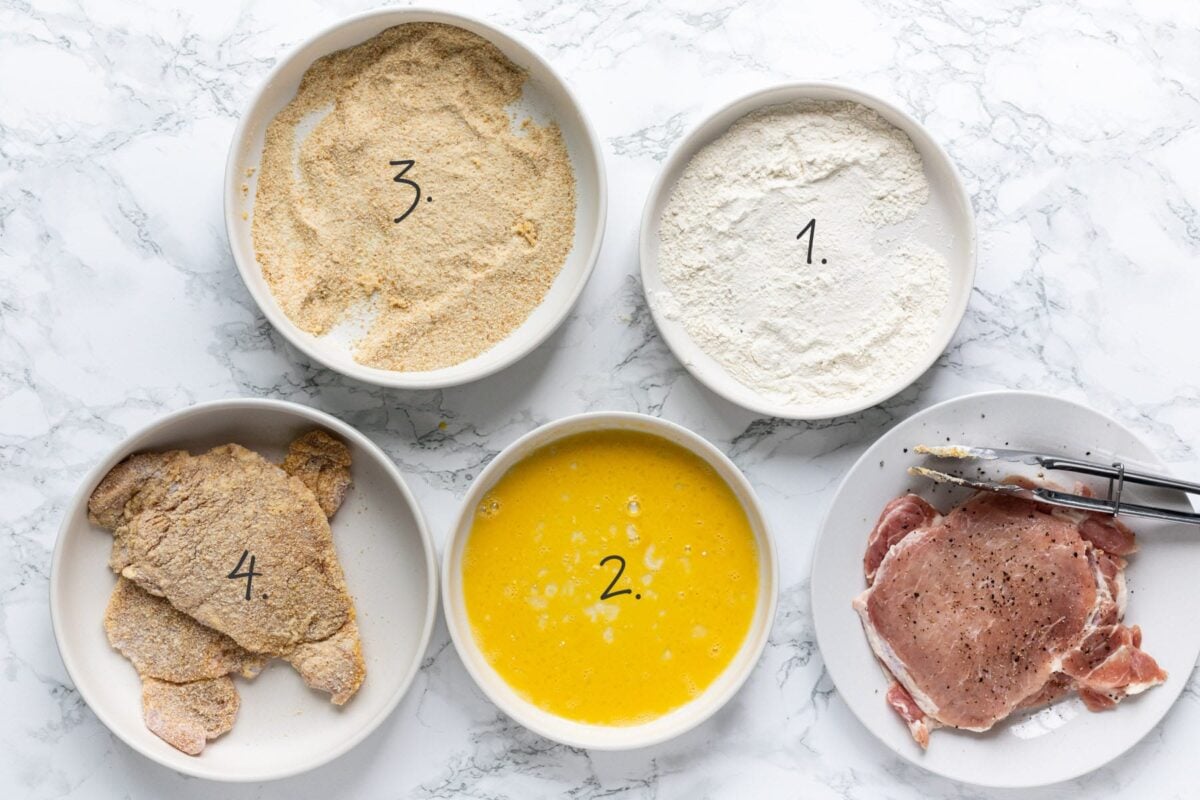
For the crispiest results, set up your breading station efficiently: flour in one shallow dish, beaten eggs in another, and breadcrumbs in a third. Press the breadcrumbs gently into the chicken to help them adhere, and let the breaded cutlets rest for 5 minutes before frying – this helps the coating stick better during cooking. If you’re making multiple batches, keep finished schnitzels warm in a 200°F oven on a wire rack to maintain crispiness.
This recipe is incredibly versatile and adapts well to different proteins and dietary needs. Try it with thin pork cutlets for a more traditional Wiener Schnitzel, or use turkey cutlets for a leaner option. For families dealing with gluten sensitivity, substitute the flour with rice flour and use gluten-free breadcrumbs – the results are nearly identical. You can even prepare the cutlets through the breading step earlier in the day and refrigerate them until dinner time, making this an excellent option for meal prep.
Much like our popular Japanese Chicken Katsu recipe, this schnitzel showcases how different cultures approach the art of the perfect breaded cutlet, each with its own delicious twist on achieving that ideal crispy exterior and tender interior.
Nutritional Highlights
German Schnitzel provides excellent nutritional value for growing families, delivering high-quality protein alongside moderate carbohydrates from the breading. Each serving contains approximately 420 calories with 38 grams of protein, making it a satisfying main dish that will keep everyone full and energized. The chicken provides essential B vitamins, particularly B6 and niacin, which support energy metabolism and brain function. While this is a fried dish, using the proper oil temperature and not over-breading helps control fat content while still delivering that essential crispy texture that makes schnitzel so appealing.
To make this meal even more nutritionally complete, serve alongside steamed vegetables or a fresh salad to add fiber and vitamins. The lemon juice not only enhances flavor but also provides vitamin C and helps with iron absorption from the meat. For families watching sodium intake, you can control the salt level in your breading mixture, making this much healthier than restaurant versions that often contain excessive sodium.
Serving Suggestions and Make-Ahead Options
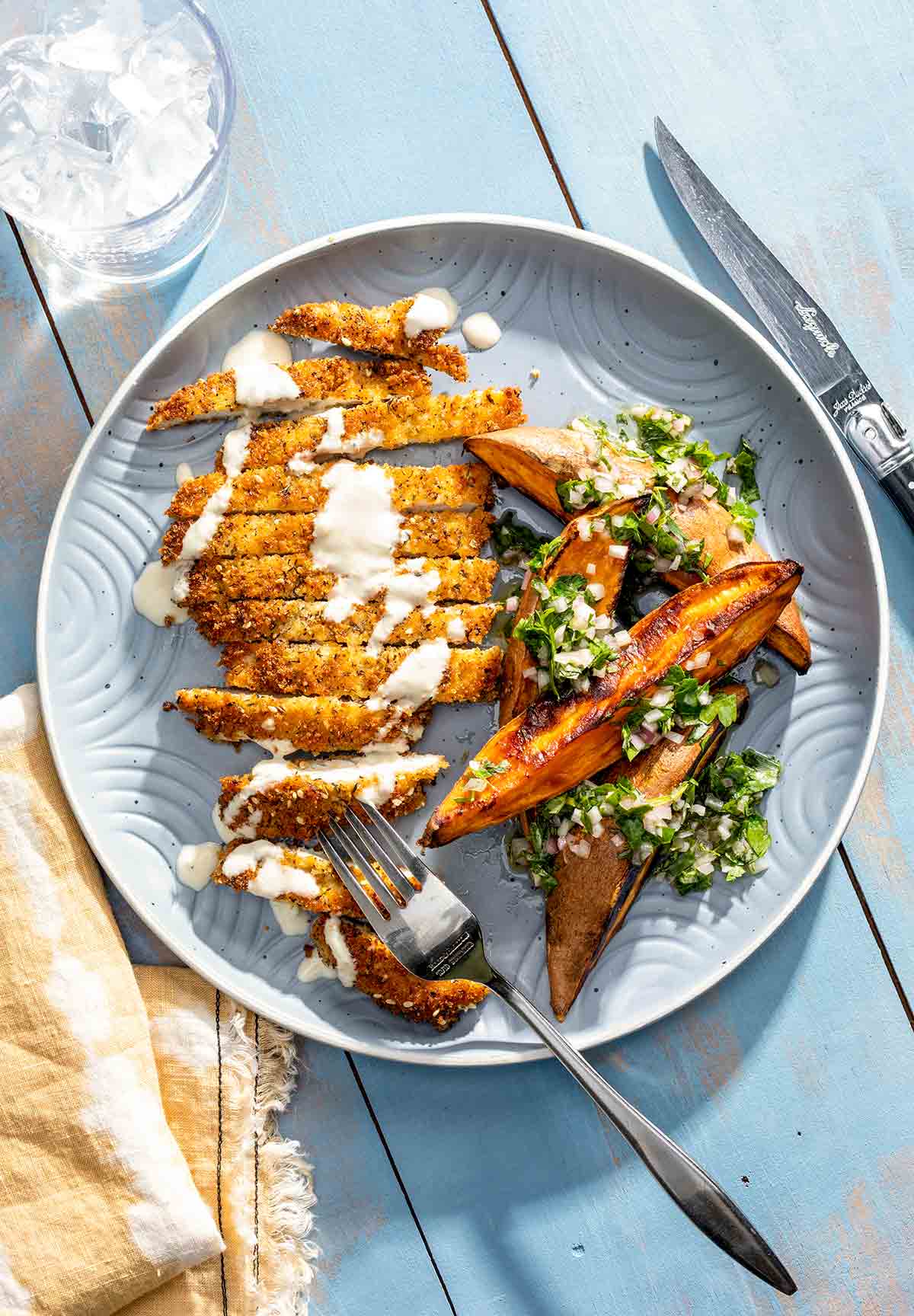
German Schnitzel shines as the centerpiece of a simple but satisfying family dinner. Traditional accompaniments include buttered boiled potatoes, spaetzle, or simple mashed potatoes that complement the crispy texture without competing for attention. A squeeze of fresh lemon juice over each cutlet just before serving brightens the entire dish and cuts through any richness from the frying process. For a lighter approach, serve with a simple mixed green salad dressed with vinaigrette, or roasted vegetables like green beans or Brussels sprouts.
While schnitzel is definitely best served immediately for maximum crispiness, there are several ways to make this recipe work for busy schedules. You can pound and bread the cutlets up to 4 hours ahead, storing them covered in the refrigerator until ready to fry. For meal prep enthusiasts, cooked schnitzel reheats reasonably well in a 350°F oven for 5-7 minutes, though it won’t maintain that fresh-from-the-pan crispiness. Consider making extra for next-day sandwiches – cold schnitzel with mustard and pickles makes an excellent lunch.
This recipe scales beautifully for larger gatherings too. Double or triple the ingredients and set up an assembly line for breading – it’s actually quite fun to make with older kids helping out. The technique here shares similarities with other international breaded dishes; if your family enjoys this German classic, they might also love our Filipino Chicken Adobo for another internationally-inspired weeknight dinner option.
Storage and Leftover Ideas
Proper storage keeps your schnitzel delicious for several days, though the texture will naturally soften somewhat. Store cooled cutlets in an airtight container in the refrigerator for up to 3 days. To reheat, avoid the microwave which will make the coating soggy – instead, place them on a baking sheet and warm in a 350°F oven for 5-7 minutes until heated through. For slightly better crispiness, you can even reheat them in a dry skillet over medium heat for 2-3 minutes per side.
Leftover schnitzel opens up several delicious possibilities. Slice it thin for sandwiches with mustard, lettuce, and tomato on crusty rolls. Cut into strips and add to salads for extra protein, or dice and incorporate into fried rice for an interesting fusion twist. Some families even enjoy cold schnitzel as part of a German-inspired lunch spread with pickles, cheese, and good bread – it’s surprisingly delicious and makes excellent use of leftovers.
FAQ
Can I make German Schnitzel ahead of time?
Yes, you can prepare schnitzel in advance in several ways! The most effective approach is to bread the cutlets completely, then cover and refrigerate for up to 4 hours before frying. This actually helps the coating adhere better during cooking. You can also fully cook the schnitzel and store it in the refrigerator for up to 3 days, reheating in a 350°F oven for 5-7 minutes. While the texture won’t be quite as crispy as fresh, it’s still delicious and much more convenient for busy weeknights. Avoid freezing breaded uncooked cutlets as the coating tends to separate, but fully cooked schnitzel can be frozen for up to 2 months and reheated from frozen in the oven.
What can I substitute for breadcrumbs in this recipe?
Several pantry staples work wonderfully as breadcrumb substitutes in German Schnitzel. Panko breadcrumbs create an even crispier, lighter texture than regular breadcrumbs and are my top recommendation if you have them on hand. Crushed cornflakes make an excellent gluten-free option with great crunch – just pulse them in a food processor until you have coarse crumbs. Crushed crackers like Ritz or saltines work well too, adding a slightly buttery flavor. For a lower-carb version, try finely grated Parmesan cheese mixed with almond flour, though this will create a different but delicious flavor profile. Whatever substitute you choose, aim for a fine to medium texture for the best coating coverage.
How do I know when the oil is the right temperature for frying?
Proper oil temperature is crucial for perfect schnitzel – too cool and you’ll get greasy, soggy coating; too hot and the outside burns before the chicken cooks through. The ideal temperature is 350°F, which you can measure with a kitchen thermometer for accuracy. If you don’t have a thermometer, drop a small pinch of breadcrumbs into the oil; they should sizzle immediately and actively bubble, but not violently sputter. Another test is to dip the handle of a wooden spoon into the oil – you should see steady bubbles forming around it. The oil should be about ½ inch deep in your pan, and remember that adding the cold chicken will lower the temperature, so start slightly higher (around 360°F) to compensate. Proper frying technique makes all the difference in achieving restaurant-quality results at home.
Perfect Weeknight Comfort
German Schnitzel proves that some of the best family dinners come from the simplest ingredients transformed with just a little technique and love. This recipe delivers everything busy families need: quick preparation, budget-friendly ingredients, and that satisfying combination of crispy exterior and tender interior that makes everyone happy. Whether you’re introducing your family to German cuisine or just looking for a new way to jazz up chicken night, this schnitzel brings restaurant-quality results to your dinner table without any fuss or fancy equipment.
The next time you’re staring at another package of chicken cutlets wondering how to make dinner exciting, remember this recipe. Traditional schnitzel techniques have been perfected over generations for good reason – they consistently deliver delicious results that bring families together around the dinner table. Give this German Schnitzel a try, and I guarantee it’ll become a regular rotation in your weeknight dinner lineup.
I’d love to hear how this recipe works for your family! Share your schnitzel success stories in the comments below, and don’t forget to save this recipe for your next weeknight dinner planning session.
Find the complete recipe card below ↓
German Schnitzel
Equipment
- Large skillet
- Meat mallet
- 3 shallow dishes
- Paper towels
- Wire rack
Ingredients
- 4 chicken cutlets about 6 oz each, pounded to ¼ inch thickness
- 1 cup all-purpose flour
- 2 large eggs beaten
- 2 cups fine breadcrumbs or panko
- 1 tsp salt divided
- 1/2 tsp black pepper divided
- 1/2 tsp paprika
- 1/2 cup vegetable oil for frying
- 1 large lemon cut into wedges
- 2 tbsp fresh parsley chopped, for garnish
Instructions
- Pat chicken cutlets dry with paper towels. If not already thin, place between plastic wrap and gently pound to ¼ inch thickness. Season both sides with half the salt and pepper.
- Set up breading station: Place flour in one shallow dish. Beat eggs in a second shallow dish. In a third dish, combine breadcrumbs, remaining salt and pepper, and paprika.
- Dredge each cutlet in flour, shaking off excess. Dip in beaten egg, letting excess drip off. Press into seasoned breadcrumbs, coating both sides thoroughly. Place on a plate and let rest 5 minutes.
- Heat oil in a large skillet over medium-high heat to 350°F. Test with a pinch of breadcrumbs - they should sizzle immediately.
- Carefully add 1-2 cutlets to hot oil (don't overcrowd). Cook 3-4 minutes per side until golden brown and internal temperature reaches 165°F.
- Transfer to a paper towel-lined plate or wire rack. Repeat with remaining cutlets, adjusting heat as needed to maintain oil temperature.
- Serve immediately with lemon wedges and fresh parsley. Squeeze lemon over schnitzel just before eating.
