

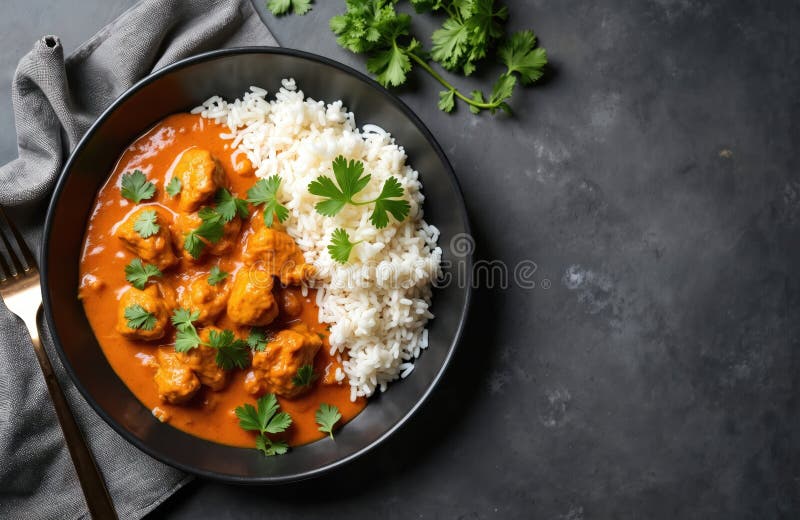
There’s something magical that happens when you walk into an Indian restaurant and catch that first whiff of aromatic spices mingling with rich, creamy tomato sauce. That intoxicating scent that makes your mouth water before you’ve even seen the menu? That’s butter chicken calling your name. This beloved dish, known as murgh makhani in Hindi, has captured hearts around the world with its perfect balance of warming spices, velvety sauce, and tender chunks of chicken that practically melt in your mouth.
I still remember the first time I attempted to recreate this restaurant favorite at home. Like many home cooks, I was intimidated by the long list of spices and worried I’d never achieve that signature silky texture. But here’s the beautiful truth about butter chicken – beneath all that complex flavor lies a surprisingly approachable recipe that welcomes both beginners and seasoned cooks alike. Once you understand the technique behind building those layers of flavor, you’ll find yourself making this comforting dish again and again.
What started as a happy accident in a Delhi restaurant kitchen in the 1950s has become one of the most beloved Indian dishes worldwide, and for good reason. Butter chicken strikes that perfect sweet spot between exotic and familiar, offering enough warmth and spice to feel adventurous while remaining creamy and mild enough for even the most cautious palates. It’s the kind of dish that turns a regular weeknight into something special, filling your kitchen with incredible aromas and your family with satisfaction.
Why You’ll Love This Recipe
This butter chicken recipe delivers all the complexity and richness you’d expect from your favorite Indian restaurant, but it’s designed for real home kitchens with real home schedules. Unlike versions that require hours of marinating or hard-to-find ingredients, this recipe uses accessible spices and techniques that work beautifully with a standard weeknight timeline.
The magic lies in the layered approach to flavor building. We start with a simple marinade that tenderizes the chicken while infusing it with essential spices, then create a sauce base that’s both deeply flavorful and incredibly smooth. The result is a dish that tastes like you’ve spent all day in the kitchen, when really you’ve invested less than an hour of active cooking time.
What makes this version particularly special is how it balances authenticity with practicality. Every spice serves a purpose, every technique has been tested and refined, and the final result is a butter chicken that’s creamy without being heavy, spiced without being overwhelming, and satisfying enough to become your new go-to comfort food.
[IMAGE: Creamy butter chicken served in a black bowl with basmati rice and fresh cilantro garnish]Key Ingredients
The beauty of butter chicken lies in how a handful of key ingredients come together to create something truly extraordinary. The star protein – boneless chicken thighs – provides the perfect canvas for our flavors while staying incredibly tender throughout the cooking process, unlike breast meat which can easily become dry. Garam masala serves as our primary spice blend, delivering that warm, complex flavor profile that includes cinnamon, cardamom, and cloves all in one aromatic package. Heavy cream transforms our tomato base into that signature velvety sauce, while crushed tomatoes provide the essential tangy-sweet foundation that balances the richness. Fresh ginger and garlic form the aromatic backbone of the dish, their pungent oils releasing incredible fragrance when bloomed in butter. Finally, a touch of tomato paste concentrates the tomato flavor and adds depth, while butter – both in the marinade and the final sauce – contributes that luxurious mouthfeel that gives the dish its name.
Pro Tips & Variations
The secret to restaurant-quality butter chicken at home lies in a few key techniques that make all the difference. First, don’t skip the marinade time – even 15 minutes allows the yogurt’s natural enzymes to begin tenderizing the chicken while the spices penetrate the meat. When cooking the chicken, aim for a light golden color rather than deep browning; we’re looking for flavor development without overcooking since the chicken will finish cooking in the sauce.
For the silkiest possible sauce, strain your tomato mixture before adding the cream. This extra step removes any remaining tomato pieces and creates that luxurious, restaurant-style smoothness. When adding cream, remove the pan from heat first to prevent curdling, then return to gentle heat for final simmering.
[IMAGE: Overhead shot of butter chicken ingredients laid out including spices, cream, tomatoes, and marinated chicken]Temperature control is crucial throughout the cooking process. Keep your heat at medium or medium-low to prevent the cream from breaking and to allow the flavors to meld properly. If your sauce seems too thick, thin it with a splash of chicken broth; if it’s too thin, let it simmer uncovered for a few extra minutes.
For variations, consider adding vegetables like bell peppers or peas during the final few minutes of cooking. A dairy-free version works beautifully with coconut milk in place of heavy cream, though you’ll want to use the thick cream from the top of a chilled can for best results. Those who prefer more heat can add a diced jalape?o with the onions or include a pinch of cayenne pepper in the spice blend.
Make-ahead tip: This dish actually improves in flavor when made a day ahead, as the spices have time to fully develop and marry. Simply reheat gently on the stovetop, adding a splash of cream or broth if needed to restore the proper consistency.
Nutritional Highlights
Butter chicken offers a satisfying combination of high-quality protein from the chicken thighs, which provide essential amino acids for muscle maintenance and satiety. The tomatoes contribute lycopene, a powerful antioxidant that’s actually more bioavailable when cooked, as well as vitamin C and potassium. The spice blend brings more than just flavor – garam masala contains anti-inflammatory compounds from spices like turmeric and cinnamon, while ginger aids digestion and provides warming properties. Though this is certainly an indulgent dish due to the cream and butter, it’s rich in protein and can be part of a balanced meal when served with fiber-rich basmati rice and vegetables. The moderate serving size ensures you get maximum flavor satisfaction while keeping portions reasonable.
When it comes to perfecting your butter chicken technique, understanding the science behind the cooking process can elevate your results significantly. The Food Lab’s approach to chicken curry offers fascinating insights into how proteins react with dairy-based marinades and the importance of temperature control when working with cream sauces.
The versatility of this dish extends far beyond the basic recipe – it’s incredibly adaptable to different dietary needs and preferences. You can easily scale the recipe up for meal prep, as it freezes beautifully for up to three months (though you may want to add fresh cream when reheating for optimal texture). The sauce base also works wonderfully with other proteins like lamb, paneer, or even hearty vegetables like cauliflower or sweet potatoes.
For those interested in exploring the broader world of Indian cuisine, Bon App?tit’s guide to Indian cooking techniques provides excellent background on spice blooming and other fundamental techniques that will improve not just your butter chicken, but any Indian-inspired dish you tackle.
FAQ
Can I make this ahead of time?
Yes, butter chicken actually improves in flavor when made ahead! You can prepare the entire dish up to 2 days in advance and store it covered in the refrigerator. The spices have time to meld and develop, creating an even richer flavor profile. When reheating, do so gently over medium-low heat, stirring occasionally. You may need to add a splash of cream or chicken broth to restore the proper consistency, as the sauce tends to thicken when chilled. For best results, avoid reheating in the microwave, which can cause the cream to separate.
What can I substitute for heavy cream?
Several alternatives work well depending on your dietary needs. Full-fat coconut milk creates a deliciously rich sauce with a subtle coconut flavor that complements the spices beautifully. Use the thick cream from the top of a chilled can for best results. Greek yogurt can be substituted, but add it off the heat and stir constantly to prevent curdling – you’ll get a tangier, lighter sauce. Half-and-half works in a pinch, though the sauce won’t be quite as rich. For a completely dairy-free version, cashew cream (made by blending soaked cashews with water) provides excellent richness and neutral flavor.
How do I store leftovers?
Store leftover butter chicken in an airtight container in the refrigerator for up to 4 days. The flavors actually continue to develop during storage, often making day-two butter chicken even more delicious than freshly made. For longer storage, freeze portions in freezer-safe containers for up to 3 months. When freezing, leave some space at the top of the container as the sauce will expand. Thaw frozen butter chicken overnight in the refrigerator before reheating. Always reheat gently on the stovetop over medium-low heat, stirring frequently and adding liquid if needed to prevent sticking.
[IMAGE: Close-up shot of butter chicken being served over fluffy basmati rice with naan bread on the side]There’s something deeply satisfying about mastering a dish that brings such joy to the dinner table. This butter chicken recipe represents more than just a meal – it’s an invitation to explore new flavors, to fill your home with incredible aromas, and to create those memorable moments that happen when everyone gathers around a table filled with delicious food. Whether you’re cooking for family, friends, or just treating yourself to something special, this dish delivers the kind of comfort and satisfaction that keeps people coming back for seconds.
The beauty of having this recipe in your repertoire means you’re always just 45 minutes away from restaurant-quality Indian food, no takeout required. Once you’ve made it a few times, you’ll start to develop your own preferences – maybe a bit more garam masala, an extra splash of cream, or your favorite vegetables stirred in at the end. That’s the joy of home cooking: taking a beloved classic and making it your own.
I’d love to hear about your butter chicken adventures! Share your photos on social media and tag us @eatinghappiness, or save this recipe to your collection for those nights when you want something truly special. Happy cooking!
Find the complete recipe card below ?
Creamy Butter Chicken
Equipment
- Large skillet
- Medium mixing bowl
- Wooden spoon
- Measuring cups and spoons
Ingredients
- 2 lbs chicken thighs boneless, skinless, cut into bite-sized pieces
- 1/2 cup plain Greek yogurt
- 2 tsp garam masala divided
- 1 tsp salt divided
- 3 tbsp butter divided
- 1 large onion finely diced
- 4 cloves garlic minced
- 1 inch fresh ginger grated
- 2 tbsp tomato paste
- 1 can crushed tomatoes 14.5 oz can
- 3/4 cup heavy cream
- 1 tbsp brown sugar
- 1/4 cup fresh cilantro chopped, for garnish
Instructions
- In a medium bowl, combine chicken pieces with yogurt, 1 teaspoon garam masala, and 1/2 teaspoon salt. Mix well and let marinate for at least 15 minutes at room temperature.
- Heat 2 tablespoons butter in a large skillet over medium-high heat. Add marinated chicken and cook for 6-8 minutes, stirring occasionally, until chicken is golden and nearly cooked through. Transfer chicken to a plate and set aside.
- In the same skillet, add remaining 1 tablespoon butter. Add diced onion and cook for 4-5 minutes until softened and lightly golden.
- Add minced garlic and grated ginger to the skillet and cook for 1 minute until fragrant.
- Stir in tomato paste and remaining 1 teaspoon garam masala. Cook for 1-2 minutes until the tomato paste darkens slightly.
- Pour in crushed tomatoes and bring to a simmer. Cook for 8-10 minutes, stirring occasionally, until the sauce thickens slightly.
- Remove skillet from heat and slowly stir in heavy cream and brown sugar. Season with remaining 1/2 teaspoon salt.
- Return the cooked chicken to the skillet and gently stir to combine. Return to low heat and simmer for 3-4 minutes until chicken is heated through and sauce reaches desired consistency.
- Taste and adjust seasoning as needed. Garnish with fresh cilantro and serve immediately over basmati rice.
